In that order — and all four still active at heart. That sequence is the shortest explanation of why I can sit in a strategy meeting in the morning and a cutover command centre at night, and be credible in both.
Not a consultant who learned transformation from books — a builder who became one.
It started with theoretical physics and mathematics — fluid dynamics and game theory — and went straight into the machine: programming, system architecture, middleware, embedded systems. Building ERP systems as head of R&D taught me how software is really made, how it really fails, and what "technical necessity" actually means when a consultant says it.
Then I learned the other side: founding and running my own companies — start-ups, marketing and product strategy, business process consulting for European SMEs, a portfolio of roughly 200 software projects across international subsidiaries. Nothing teaches stakeholder economics like signing your own payables. An MBA in International Business Administration, with a focus on virtual team management, connected the experiences into a system.
From there, the scale: leading global transformation programmes for enterprises — SAP migrations, post-merger integrations, regulatory overhauls, data centre builds — with teams up to 3,000 people and rollouts into 120+ countries. Different industries, one constant: I own the whole programme, business side and technology side, from the first analysis to the final hypercare report.
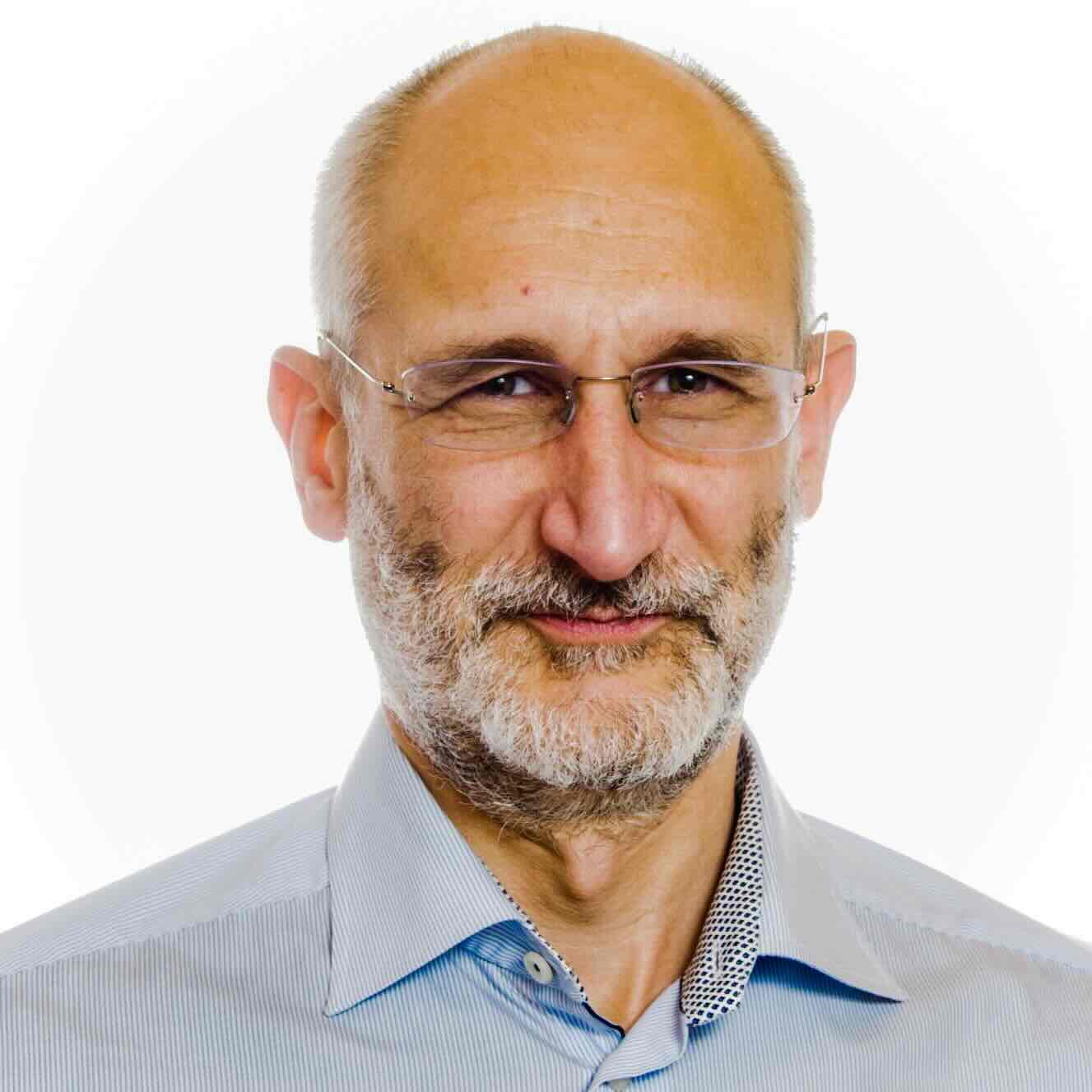
"When I manage projects, I manage people — because the technology is only ever half of the work. It is the people who carry the change, shape it, and make it succeed."— the working principle behind everything on this site
Every phase of a programme needs a different style — strict, observant, supportive, challenging. I adjust deliberately, and I lead by example and conviction, not by decree. Teams accept being managed by someone who demonstrably carries the same load.
Understanding an organisation means understanding its heritage: why it is built the way it is, what shaped its culture, what constraints it carries. I build on existing know-how rather than imposing templates from outside. Change that ignores history gets ignored back.
Worked in 35+ countries across five continents; more than 100 time-zone changes per month at peak. Headquarters wherever the programme needs it. Culture is not a barrier — it is a variable to understand and work with.
Independence disclosed, conflicts avoided.
Besides leading STS international projects, I serve as Chief Compliance Officer of Digital Advisory Group, a Swiss software-delivery firm serving regulated industries. My work there is substantially AI-driven: I direct the business-process design for an AI system that supports radiologists in analysing MRI imagery, define the delivery processes for complete customer organisations (clinics, hospitals, specialised laboratories), and manage the firm's compliance for AI systems under regulatory scrutiny. The roles are strictly separated: STS mandates are client-side and vendor-independent — I bring the mandate to challenge any delivery firm, including that one. Where a potential engagement touches both, I say so openly before you have to ask.
I also advise venture capital investors, assessing investment candidates on business processes and personnel capabilities — deep operational due diligence, from someone who has built, scaled and rescued both.
Everything above exists to answer one question: can this person be trusted with ours. Let's find out in a conversation.
Book a Consultation